
Biological Molecules Explained: Carbohydrates, Proteins and Lipids - A Beginners Guide

Updated: 11 hours ago

Every living organism is made from chemicals.
Some of these chemicals are tiny molecules, while others are much larger and more complex. Together, they make up the structures of cells, provide energy and allow all the processes of life to happen. These important chemicals are called biological molecules.
In this blog, we'll look at the three biological molecules you'll meet in your Science course:
Carbohydrates
Proteins
Lipids (fats and oils)
Understanding what they do will give you a great foundation for topics such as digestion, enzymes, respiration and metabolism later in your course.
What are biological molecules?
Biological molecules are substances found in all living organisms. They are essential for life because they:
Provide energy
Build and repair tissues
Store energy
Help chemical reactions happen
Form cell structures
Think of them as the building materials and fuel that keep your body working.
1. Carbohydrates
Carbohydrates are the body's main source of energy.
When you eat foods containing carbohydrates, your digestive system breaks them down into glucose, a simple sugar.
Cells then use glucose during respiration to release energy.
Foods rich in carbohydrates
🥖 Bread
🍝 Pasta
🥔 Potatoes
🍚 Rice
🍎 Fruit
🌾 Breakfast cereals
Types of carbohydrates

There are two main groups.
Simple carbohydrates
These contain one or two sugar molecules. Examples include:
Glucose
Fructose (fruit sugar)
Sucrose (table sugar)
They provide energy quickly.
Complex carbohydrates
These contain many sugar molecules joined together.
Examples include:
Starch
Glycogen
Cellulose
Complex carbohydrates usually provide energy more slowly because they take longer to digest.
Why are carbohydrates important?
Carbohydrates:
✅ Provide energy
✅ Fuel muscles during exercise
✅ Supply glucose for respiration
Without enough carbohydrates, your body begins using stored fat and eventually protein for energy.
2. Proteins
Proteins are often called the building blocks of the body. They help us grow, repair damaged tissues and carry out many important functions. Unlike carbohydrates, proteins are not mainly used for energy.
What are proteins made from?
Proteins are built from smaller molecules called amino acids. Imagine amino acids as individual Lego bricks. When many amino acids join together, they form a protein. Different combinations create different proteins with different jobs.
What do proteins do?
Proteins have many functions.
They:
🦴 Build muscles
🩹 Repair damaged tissues
🧪 Form enzymes
🛡 Produce antibodies
🚚 Transport substances around the body
📡 Form some hormones
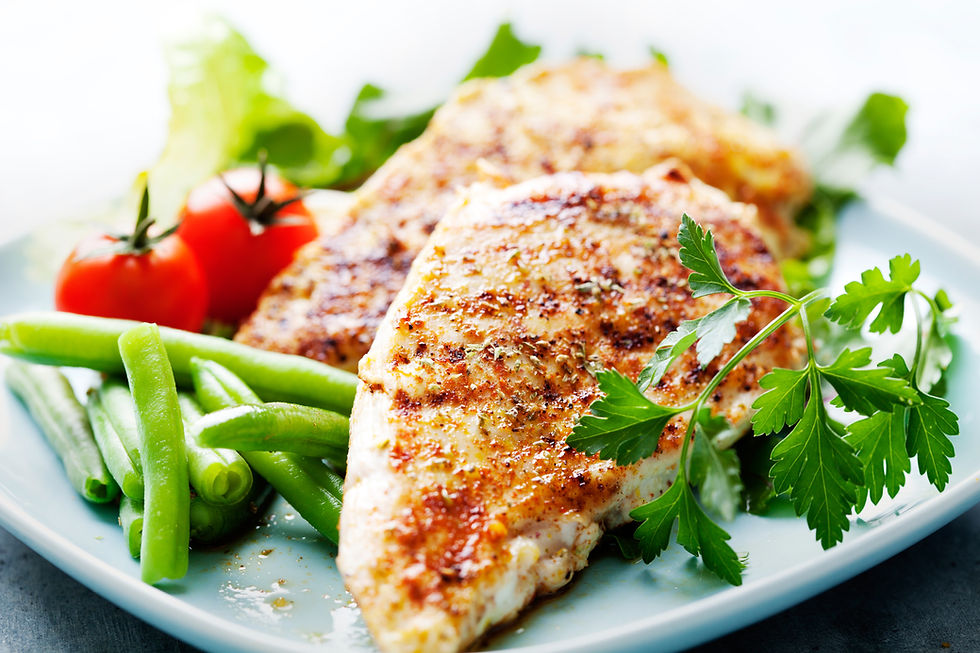
Foods rich in protein
🍗 Chicken
🥩 Meat
🐟 Fish
🥚 Eggs
🥛 Dairy products
🫘 Beans
🌰 Nuts
3. Lipids
Lipids are commonly known as fats and oils. Many people think fats are unhealthy, but your body actually needs them. The key is eating the right types and amounts.

What do lipids do?
Lipids:
✅ Store energy
✅ Keep you warm (insulation)
✅ Protect organs
✅ Form cell membranes
✅ Help absorb vitamins A, D, E and K
Because fats store a lot of energy, they are an excellent long-term energy reserve.
Foods rich in lipids
🥑 Avocados
🥜 Nuts
🫒 Olive oil
🧈 Butter
🐟 Oily fish
🥥 Coconut
Comparing the three biological molecules
Biological Molecule | Main Function | Found In |
Carbohydrates | Immediate source of energy | Bread, rice, pasta, potatoes |
Proteins | Growth and repair | Meat, eggs, beans, dairy |
Lipids | Long-term energy storage, insulation and protection | Oils, butter, nuts, avocado |
How do they work together?
Imagine your body is like a house.
🏠 Carbohydrates are the electricity that powers everything.
🧱 Proteins are the bricks and builders that construct and repair the house.
🪵 Lipids are the insulation and emergency fuel supply that keep everything running when needed.
Your body needs all three to stay healthy.
Why is this important?
Biological molecules appear throughout your Science course.
You'll meet them again when studying:
Digestion
Enzymes
Respiration
Cell membranes
DNA and genetics
Metabolism
Human nutrition
Having a solid understanding now will make these topics much easier later.
Top Tip for Applied Science Students
Don't just memorise what each biological molecule is called. Instead, remember its main job.
If you know:
Carbohydrates = energy
Proteins = growth and repair
Lipids = energy storage, insulation and protection
you're already building a strong foundation. As your course progresses, you'll add more detail to this knowledge.
Ready for Exams?
If you're revising for your Applied Science exams, remember that exam skills are just as important as knowledge and understanding.
At Applied Science Tutoring, we support learners studying Applied Science courses by helping them build confidence in Biology, Chemistry and Physics, preparing for assignments and exams, and making science easier to understand. We provide additional academic support alongside your college studies, helping you succeed throughout your science journey.


Comments