
BTEC Applied Science Unit 1 Biology - The Science Behind Atherosclerosis


Atherosclerosis is a condition that affects the arteries and is a major cause of cardiovascular diseases such as coronary heart disease, stroke, and heart attack. To understand atherosclerosis properly for BTEC Unit 1, students must first understand the role of endothelial tissue in blood vessels.
What Is Endothelial Tissue?
Endothelial tissue forms a thin layer of squamous epithelial cells that line the inside of blood vessels. These cells form the endothelium.
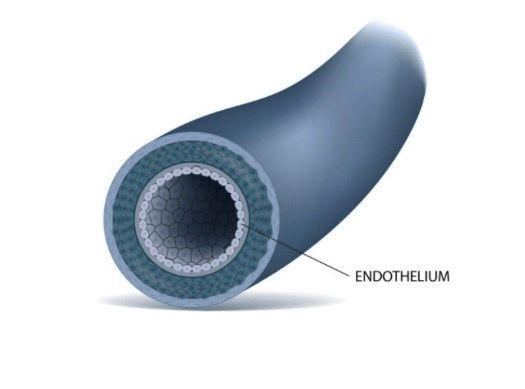
Structure:
One cell thick
Smooth surface
Selectively permeable
Supported by a basement membrane
Function:
Reduces friction as blood flows
Controls movement of substances into and out of the bloodstream
Releases chemicals that regulate blood vessel dilation
Prevents unnecessary blood clotting
A healthy endothelium is essential for maintaining normal blood flow.
What Is Atherosclerosis?
Atherosclerosis is the build-up of fatty plaques inside arteries. These plaques narrow the artery, restrict blood flow, and can lead to clot formation.
It begins with damage to endothelial cells.
Step-by-Step Development of Atherosclerosis
1. Endothelial Damage
Risk factors such as:
High blood pressure
Smoking
High LDL cholesterol
Diabetes
Obesity
All these can damage the endothelial lining. When damaged, the endothelium becomes:
Less smooth
More permeable
More likely to trigger inflammation
2. LDL Cholesterol Enters the Artery Wall
Low-density lipoprotein (LDL), often called “bad cholesterol”, can enter the artery wall through the damaged endothelium. Inside the wall, LDL becomes oxidised.

3. Inflammatory Response
The immune system detects oxidised LDL as a threat.
White blood cells (macrophages) move into the artery wall
They engulf oxidised LDL
These become foam cells
Foam cells accumulate and form fatty streaks.
4. Plaque Formation
Over time:
Smooth muscle cells multiply
A fibrous cap forms over the fatty deposit
Calcium may accumulate
This creates a plaque. The artery becomes:
Narrower
Less elastic
More prone to blockage

5. Risk of Blood Clots
If the fibrous cap ruptures:
Platelets stick to the damaged area
A clot (thrombus) forms
Blood flow may be partially or completely blocked
This can cause:
Heart attack (coronary artery blockage)
Stroke (cerebral artery blockage)
Linking - Endothelial Tissue and Risk Factors
You need to understand how risk factors damage endothelial cells.
Smoking
Chemicals in cigarette smoke damage endothelial cells
Increases inflammation
Reduces oxygen delivery
High Blood Pressure
Increased force damages vessel lining
Makes endothelial surface rough
High LDL Cholesterol
Increases likelihood of lipid accumulation
Promotes plaque development

Diabetes
High blood glucose damages endothelial cells
Increases oxidative stress
Why the Endothelium Is So Important
The endothelium normally:
Produces nitric oxide (NO), which dilates blood vessels
Prevents clot formation
Maintains smooth blood flow
When damaged:
Nitric oxide production decreases
Vessels constrict
Clotting risk increases
Inflammation is triggered
This loss of function is central to atherosclerosis.
Exam-Ready Summary (6–8 Mark Answer Style)
Atherosclerosis begins with damage to the endothelial lining of arteries. Risk factors such as high blood pressure, smoking and high LDL cholesterol damage endothelial cells, making them more permeable. LDL cholesterol enters the artery wall and becomes oxidised, triggering an inflammatory response. Macrophages engulf the oxidised LDL to form foam cells, which accumulate and form fatty streaks. Smooth muscle cells then proliferate and form a fibrous cap, creating a plaque that narrows the artery. If the plaque ruptures, a blood clot may form, potentially leading to a heart attack or stroke.
Key Terms to Remember
Endothelium
LDL cholesterol
Oxidation
Foam cells
Plaque
Thrombus
Nitric oxide
Inflammation
Want more help with your BTEC Applied Science Unit 1 exam preparation? Then get in touch, there's still time before the exams to received focused support and get the Distinction grade you are aiming for!


Comments